Choosing the Right Stone for Your Fireplace Surround
A fireplace is often the focal point of a room. Whether traditional or modern, it draws attention and anchors the surrounding design. Because of that, choosing the right material for your fireplace surround is just as important as selecting countertops or flooring elsewhere in your home.
Natural stone remains one of the most enduring and versatile choices. It offers durability, character, and a timeless quality that complements a wide range of architectural styles. This guide focuses on practical decision-making—so you can choose a surround that looks right today and still feels right years from now.
Why Material Choice Matters
Fireplaces can introduce heat, soot, and long-term exposure to changing temperatures. The material surrounding them should be selected for both performance and appearance.
- Heat resistance: The surround should tolerate high temperatures without warping, discoloration, or cracking when properly installed.
- Durability: A high-traffic living area benefits from stone that resists scratches and everyday wear.
- Maintenance: Some stones require more sealing or more careful cleaning than others.
- Style longevity: A fireplace is expensive to redo—choose a finish you’ll want to live with long-term.
Granite: Durable and Timeless
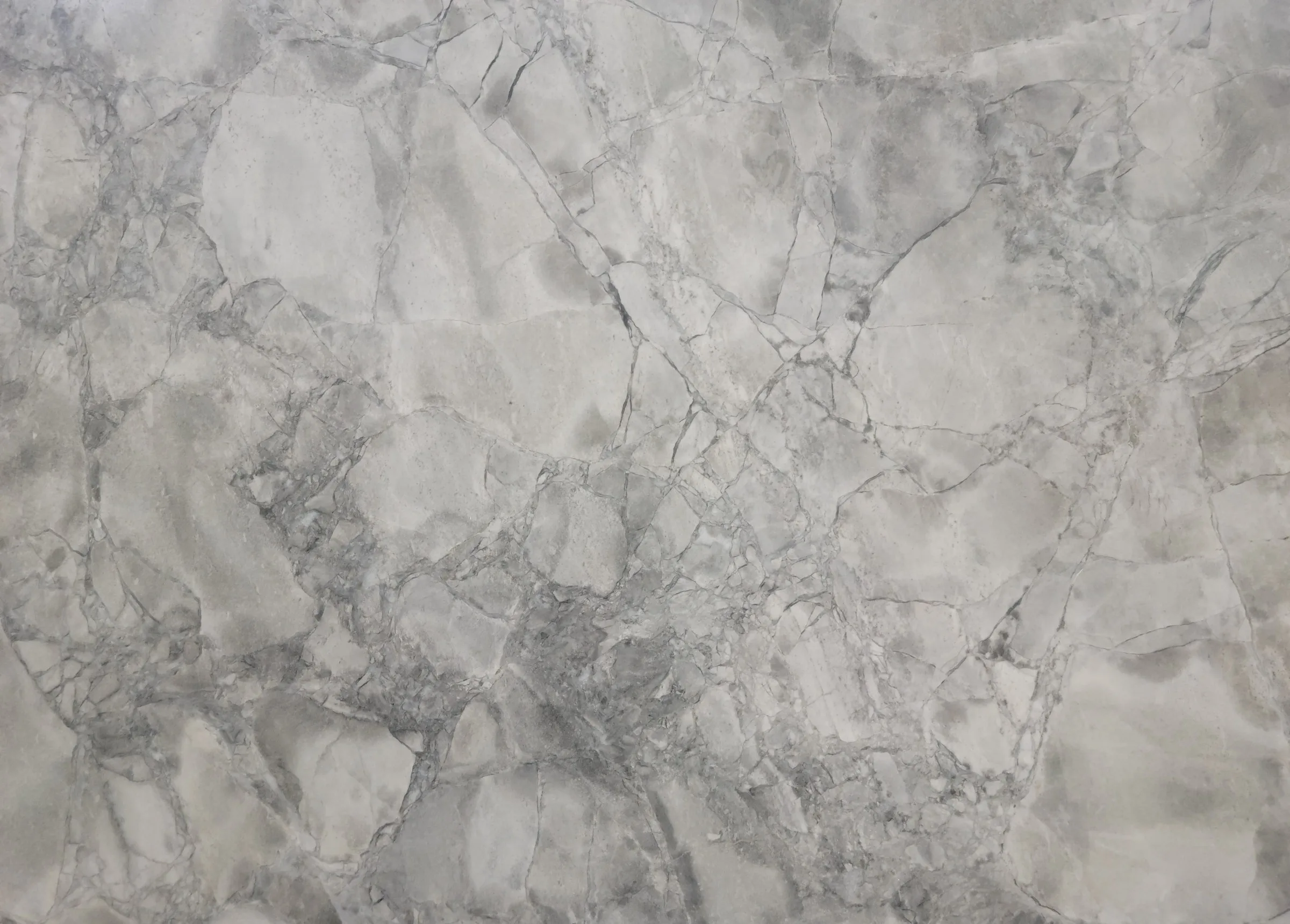
Granite remains a top choice for fireplace surrounds because it balances durability, heat resistance, and visual range. It works in traditional homes, transitional spaces, and clean modern designs.
Heat Resistance and Strength
Granite is a hard natural stone that performs well around fireplaces. With proper fabrication and installation, it can handle the conditions a fireplace surround is exposed to for many years.
Low Maintenance
Granite is relatively low maintenance compared with many natural stones. When sealed appropriately, it resists staining and is easy to clean with stone-safe products.
Natural Variation
Because each slab is unique, granite offers everything from subtle movement to dramatic veining and crystal patterning. This makes it easy to choose either a calm, neutral focal point or a bolder statement piece.
Slate: A Refined, Textural Alternative
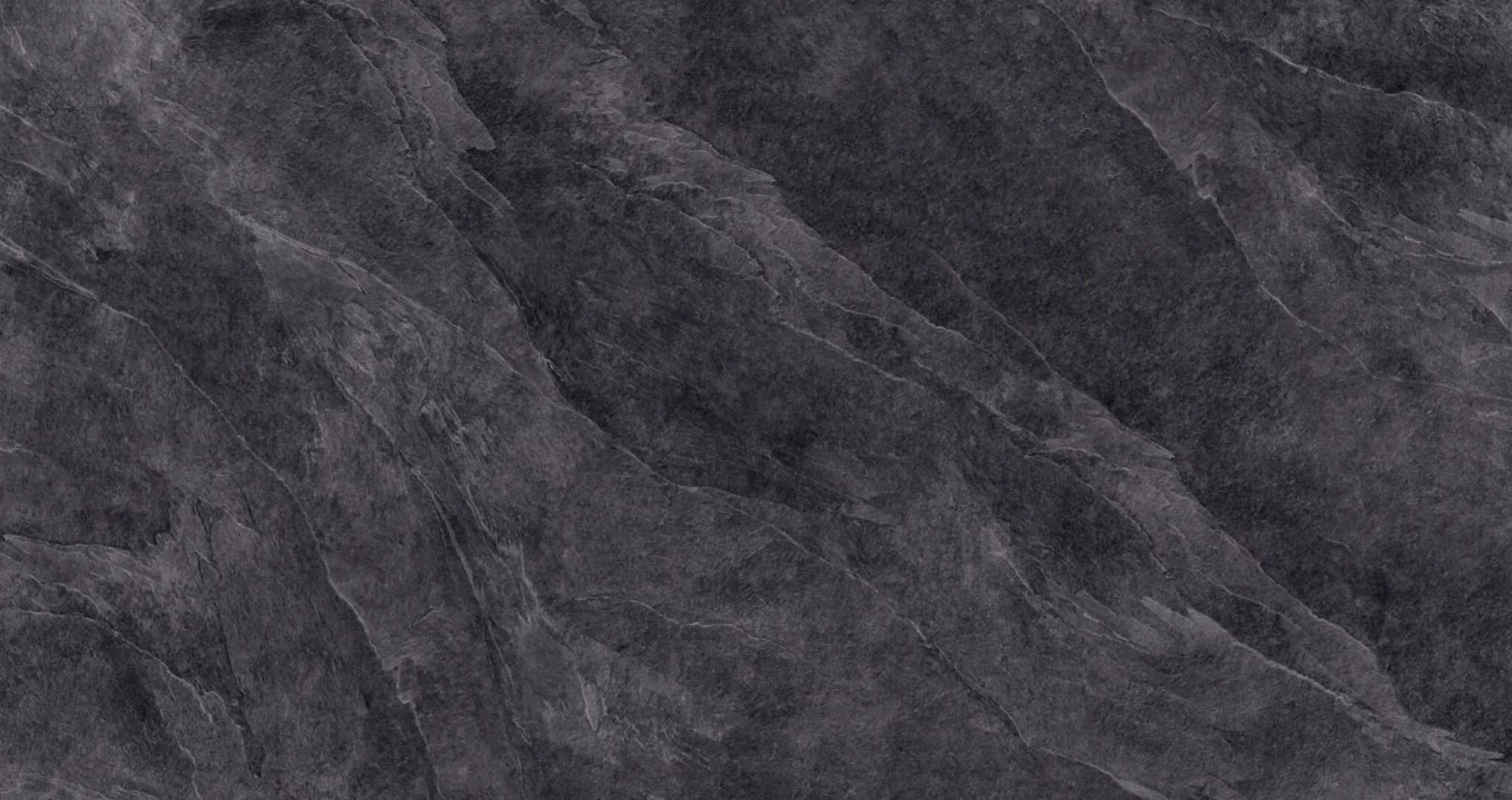
Slate is an excellent option for homeowners who want a more understated, contemporary look with natural texture. It’s commonly available in charcoal, gray, and earthy tones and can create a grounded, architectural focal point.
Why Homeowners Choose Slate
- Subtle elegance: A more uniform look than many stones, with natural depth and texture.
- Durability: A strong surface that holds up well in everyday living spaces.
- Design flexibility: Pairs well with wood beams, painted mantels, metal accents, and modern trim details.
Other Stone Options to Consider
Marble
Marble can deliver a refined, classic look—especially in more formal rooms or traditional homes. It’s typically softer than granite and may require more careful maintenance depending on the finish and use.
Limestone and Similar Stones
Lighter stones can create a warm, inviting surround and often suit traditional or Mediterranean-inspired interiors. Maintenance expectations vary by stone type, finish, and sealer.
The best choice is the one that fits your lifestyle and the look you want to live with long-term.
Choosing the Right Color and Pattern
Lighting has a major impact on how stone looks once installed. Natural daylight, warm lamps, and overhead lighting can each shift color and contrast. Whenever possible, view samples in the space where the stone will be installed.
- Match the room’s tone: Warm rooms often pair best with warm neutrals; cooler rooms can handle grays and charcoals.
- Think about the long-term: If you may change paint, furniture, or flooring later, choose a more flexible stone tone.
- Decide statement vs. subtle: Strong movement can make the fireplace the centerpiece; subtle movement keeps it calm and versatile.
Design Considerations
Full-Height vs. Framed Surround
A full-height stone application (floor to ceiling) can create a dramatic, modern focal point. A framed surround paired with a mantel typically reads more traditional.
Scale and Proportion
The larger the stone surface, the more visible its movement and pattern will be. In smaller rooms, calmer patterns often feel more balanced.
Hearth and Trim
If your design includes a hearth, choose a material and finish that can handle foot traffic and everyday use while still coordinating with the surround.
Granite, slate, and other natural stones each offer unique benefits for fireplace surrounds. If you’re deciding between two options, seeing samples under your home’s lighting is one of the fastest ways to make a confident choice. Viewing slabs and samples side-by-side makes it easier to compare color, movement, and texture—especially for focal features like a fireplace.